



Welcome to RealTime Mandarin, a free weekly newsletter that helps you improve your Mandarin in 10 minutes a week.
Subscribe today to get your fluency back, stay informed about China, and communicate with confidence in Chinese — all through immersion in real news.
Xingyu (星宇股份) is China’s largest car-lamp manufacturer. Based in Changzhou (常州) in Jiangsu province, it supplies international automotive brands like Mercedes-Benz, BMW, and Volkswagen.
Xingyu was apparently named one of Changzhou’s ten best employers in 2025. And its recruitment material trumpets how the company has:
A warm and caring “family culture”
有温度、有爱的家文化
But recently, though, Xingu has been a trending topic on social media because of complaints from graduate employees of unfair treatment.
The story began in early August when over 400 recently-hired graduates were called into meeting rooms by Xingyu management and told:
“Resign voluntarily, take half a month’s pay and go.
Or, stay and tighten screws on the assembly line.”
“自愿离职,拿半个月工资走人;不愿意走,就去流水线上拧螺丝。” [1]
“Tightening screws” (打螺丝) is usually a metaphor for menial work. Here the suggestion was they really would be on the factory floor, tightening screws.
Having only joined the company one month earlier, hired into engineering and management roles, these bright young graduates were now being given an ultimatum, described by some using ecommerce discounting lingo, “choose one from two” (二选一). Which in this context means there is no choice at all.
In the end, 107 of them decided to take the offer.
Initially there was little media interest in the story. And the company union (工会), which should have been the first to speak up for these dismissed employees, was nowhere to be seen.
So some of the graduates looked further afield.
Gathering offer letters, WeChat records, and recordings of the meetings, they put together information packs and filed them with the Hong Kong Stock Exchange (港交所), and supplier whistleblowing channels at Mercedes-Benz, BMW and Volkswagen.
Documents detailed a list of incremental abuses including how, when they joined, graduates were told they’d spend a month on the production line learning how products are made, and then move into technical and management roles they’d been hired for. But one month became three. And the advertised 8am to 5pm day became 8am to 7pm with no overtime pay.
Related


The timing was bad for Xingyu. Already listed in Shanghai, the company had refiled on July 29 for a second listing in Hong Kong, which was still under review.
Its European customers also are tightening their supply chain labour standards. Germany's Supply Chain Act has been in force since 2023, and member states have until July 2027 to write the EU's Corporate Sustainability Due Diligence Directive into national law. Both hold the buyer responsible for labour abuses in their supply chains, and a supplier found in breach can be dropped.
Mercedes-Benz responded to the complaint almost immediately, writing back with a case number and a subject line describing serious ethical and labour misconduct by Xingyu.
The negative attention from outside China finally nudged the Chinese authorities into responding. On August 25, the Changzhou Human Resources Bureau (人社局) described the company’s approach as:
“Simple and crude, lacking adequate and effective communication”
方法简单生硬,缺乏充分有效沟通 [1]
That forced an apology from Xingyu on August 27. The company admitted management had made errors of judgement, and announced its HR director had been suspended. Xingyu also improved its compensation offer, replacing the half month’s pay with three months of living costs while job hunting, plus free accommodation, and a further six months’ salary for anyone still out of work by the end of the year.
But the apology didn’t go down well. Critics said it lacked sincerity, and noted that the six months’ salary only pays out to anyone still unemployed at the end of November, by which point the story will be long forgotten. A viral post added that the 429-character text of the apology showed traces of AI generation.
Xingyu’s Shanghai-listed shares fell 5.2% on the day of the apology, closing at a six-year low. The complaint to the Hong Kong exchange is still being processed, and Volkswagen has since opened its own investigation into Xingyu. Its Hong Kong listing now looks a lot less certain.
Readers watching this unfold used a medical metaphor to explain the chain of events:
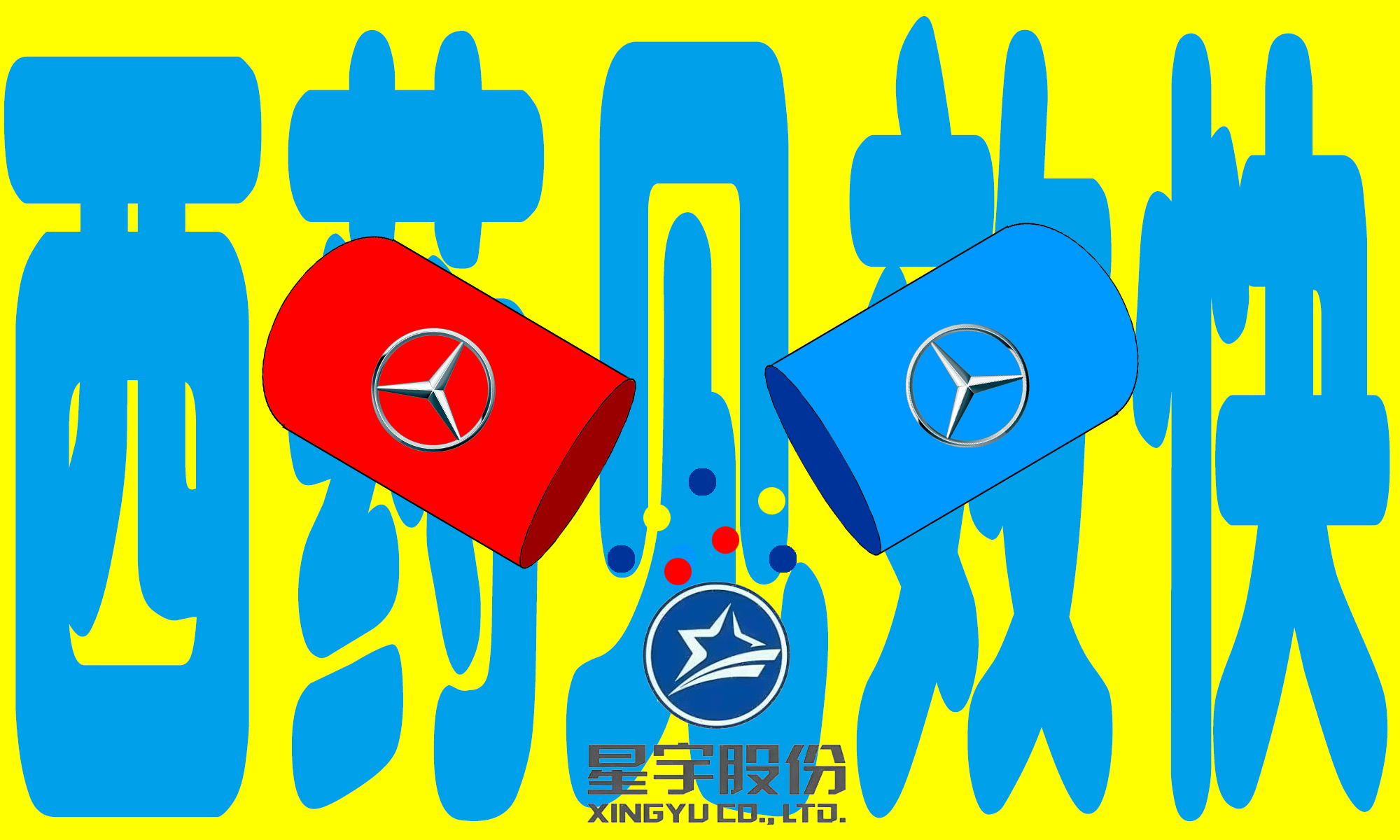
“western medicine works faster” (西药见效快)
This is an adaptation of the common contrast between “western medicine” (西药), which acts quickly on the symptom, and “traditional Chinese medicine” (中药), which works slowly but deals with the root cause.
Here the “western medicine” is the German carmakers acting under EU supply chain regulations, who moved within days. This proved much more effective than the Chinese authorities, who only kicked into action after a dose of “western medicine”.
On August 30 a video did the rounds on social media mocking the absence of labour protection on the Mainland, quipping that "China's trade union is in Europe" (中国的工会在欧洲).
Another writer suggested a new reason for learning English:
Bottom line: you should really work on your English, in case you ever need to write a complaint letter.
如果要总结,我只能说,大家一定要学好英语,方便以后万一需要写举报信。 [2]
Clearly the Xingyu management have not been reading RealTime Mandarin.
If they had, they'd know all about "the post-00s rectifying the workplace" (00后整顿职场), a phrase which took off in mid-2022 after a run of viral videos showing young employees refusing unpaid overtime, pushing back against their managers, and reporting bad bosses to the labour bureau.
"Rectify" (整顿) is the language of official campaigns, used when the Party sets about cleaning up an industry or a government department. Here it's pointed at employers, like Xingyu, who previously assumed their young employees could be pushed around.
Not any more, it seems.
So that’s what we’re discussing this week!
Favourite Five
1. 拿捏 ná niē
to have someone figured out, to have someone under one’s thumb
有些公司专门挑外地学生、家庭条件一般的,觉得好拿捏 - Some companies specifically target non-local students from modest backgrounds because they think those would be easier to exploit. [1]
Note: previously a formal expression, now has internet slang meaning.
2. 打螺丝 dǎ luó sī
to tighten screws, to do repetitive manual work
我读了四年大学,专业虽然不算热门,但也学了一身本事,最后为什么在打螺丝? - I went to university for four years. Although my major wasn’t particularly popular, I still learned a lot of valuable skills, so why did I end up working on an assembly line? [1]
3. 立竿见影 lì gān jiàn yǐng
to produce immediate results
这两招打下了,效果是立竿见影 - These two measures produced immediate results. [4]
4. 西药见效快 xī yào jiàn xiào kuài
western medicine works faster
关于这件事的报道,基本上评论区都是清一色的“还是西药见效快” - The comments on the coverage of this matter are almost universally along the lines of “western medicine does work faster”. [2]
Related:
清一色 qīng yí sè – uniform, all the same
5. 捡了芝麻丢了西瓜 jiǎn le zhī ma diū le xī gua
to lose sight of the bigger picture, to gain something small at the expense of something much more valuable
让无良企业成为国际笑话,让他们捡了芝麻丢了西瓜 - This unethical company became an international laughingstock, who saved pennies but lost millions. [4]
💡 Want to close the gap between your rusty textbook Chinese and the real thing? 💡
The RTM Plus membership will help you do just that.
It gives you the tools, resources, and content you need to getg motivated, build a habit, and make real progress.
It including podcasts, app integrations, and much more and is ideal if your Chinese was once strong but has got rusty.
And you want to get your confidence back.
All while staying on top of what people in China are actually talking about right now.
Consuming the Conversation
Useful words
6. 懵 mēng
confused, dazed
那天的场景,到现在想起来还是懵的 - Even now, when I look back to that day, I still feel completely dazed. [1]
7. 背调 bèi diào
background check
让人气愤的是,暴利辞退的另一面就是威胁如果不服从,以后背调将会受影响 - The most infuriating part of these rough dismissals is the implied intimidation: they threaten that if you don’t play along, your future background checks will be impacted. [2]
8. 辞退 cí tuì
to dismiss, to fire
大部分被辞退的同学,现在还在找工作 - Most of the graduates who were dismissed are still looking for jobs. [1]
9. 下家 xià jiā
next employer, next job
像我这样能这么快找到下家的其实是少数 - People like me who manage to land a new job this quickly are definitely in the minority. [1]
10. 坑位 kēng wèi
a spot, a position
我现在的状态就是,能有个坑位先待着,比什么都强 - For the time being, having a job is better than anything else. [1]
11. 失落 shī luò
disappointed, dejected
我春招拿到offer的时候有多开心,现在就有多失落 - I was absolutely thrilled when I got the spring offer, and now I’m just as defeated. [1]
Related:
空落落 kōng lào lào - feeling empty, feeling a sense of emptiness
12. 优化 yōu huà
to optimize, euphemism for laying off employees
刚毕业的大学生说优化就优化,那欧洲车企也不敢和这样的企业合作 - European automakers wouldn’t dare to work with a company that simply “optimize” away newly graduated employees. [4]


